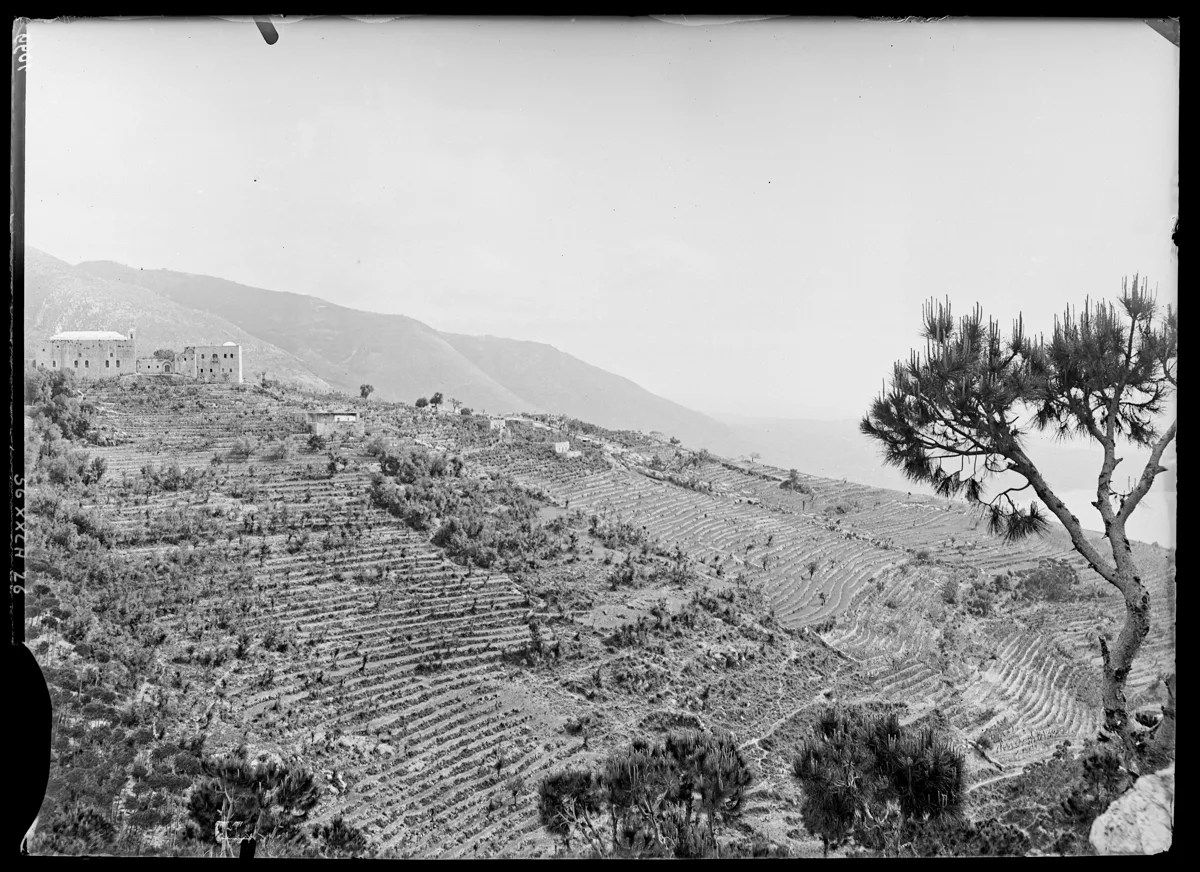
The Canticle of the Sun
Most high, omnipotent, good Lord,
Praise, glory and honor and benediction all, are Thine.
To Thee alone do they belong, most High,
And there is no man fit to mention Thee.
Praise be to Thee, my Lord, with all Thy creatures,
Especially to my worshipful brother sun,
The which lights up the day, and through him dost Thou brightness give;
And beautiful is he and radiant with splendor great;
Of Thee, most High, signification gives.
Praised be my Lord, for sister moon and for the stars,
In heaven Thou hast formed them clear and precious and fair.
Praised be my Lord for brother wind
And for the air and clouds and fair and every kind of weather,
By the which Thou givest to Thy creatures nourishment.
Praised be my Lord for sister water,
The which is greatly helpful and humble and precious and pure.
Praised be my Lord for brother fire,
By the which Thou lightest up the dark.
And fair is he and gay and mighty and strong.
Praised be my Lord for our sister, mother earth,
The which sustains and keeps us
And brings forth diverse fruits with grass and flowers bright.
Praised be my Lord for those who for Thy love forgive
And weakness bear and tribulation.
Blessed those who shall in peace endure,
For by Thee, most High, shall they be crowned.
Praised be my Lord for our sister, the bodily death,
From the which no living man can flee.
Woe to them who die in mortal sin;
Blessed those who shall find themselves in Thy most holy will,
For the second death shall do them no ill.
Praise ye and bless ye my Lord, and give Him thanks,
And be subject unto Him with great humility.
- Purpose
- Praise. Every verse thanks God for a creature, and the last verses praise Him for forgiveness and for death. Nothing in it is a request.
- How to pray
- Aloud and slowly, ideally outdoors or at a window. Pause after each verse and look at what it names. You may offer it in thanks for the works of mercy that grew from the Cross at Jal el Dib.
- When & how long
- Morning is the natural hour. About three minutes. His memorial is June 26.
- Source & tradition
- Written by Saint Francis of Assisi in the Umbrian dialect of Italian, late in 1225; English translation by Paschal Robinson, 1906, public domain. Labeled a fitting Franciscan prayer. It is not a prayer of Abouna Yaacoub, and no source used here records that he prayed it. See the Francis page for the full note on its origin.
- Spiritual fruit
- Gratitude, and seeing creation as a gift from God. It is a prayer of praise, not of petition, and it makes no promises.