Saint Charbel Makhlouf (1828-1898)
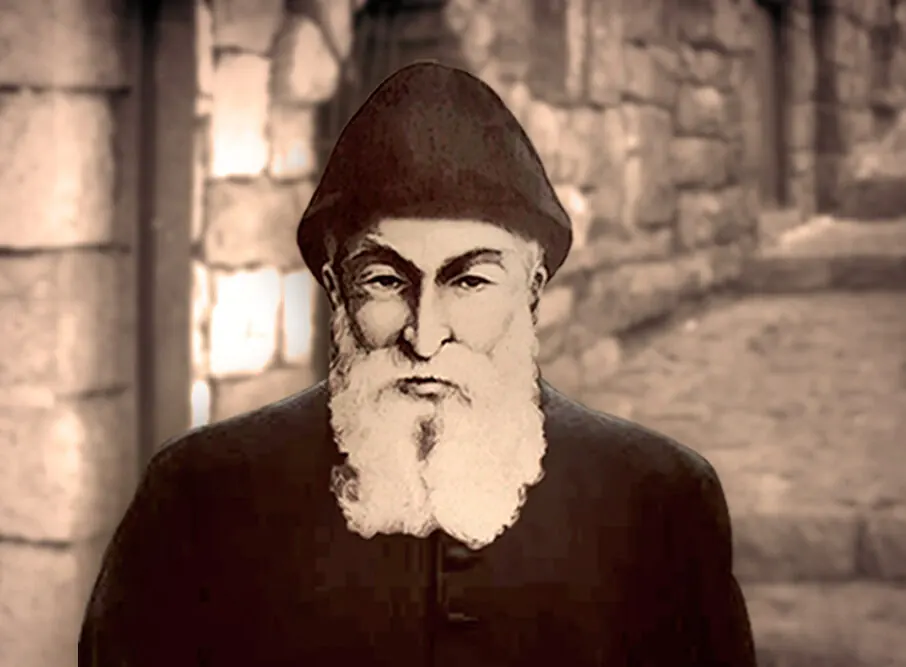
The reason this site exists: the hermit of Annaya, monk of the Lebanese Maronite Order, whose tomb became a place of pilgrimage and healing for Christians and Muslims alike. Begin with his story.
The holy women and men whose stories this site tells - the hermit of Annaya first, then the saints around his tradition, and now the blesseds whose causes are still unfolding. Titles are kept exact: a saint is canonized by the universal Church; a blessed is beatified, one step earlier. Each card says which is which.
"And therefore we also having so great a cloud of witnesses over our head, laying aside every weight and sin which surrounds us, let us run by patience to the fight proposed to us…"
The saints on this site are not distant. Each one ran with patience and left a trail to follow.
39 saints and blesseds, grouped by who they were and when they lived. Titles are exact: a saint is canonized, a blessed is beatified.
39 saints and blesseds
No saint matches that search.
Saints and blesseds who lived, prayed and served in Lebanon, and the hermit who gave the Maronites their name. Maroun and Marina are ancient traditions, with no firm dates.
The reason this site exists: the hermit of Annaya, monk of the Lebanese Maronite Order, whose tomb became a place of pilgrimage and healing for Christians and Muslims alike. Begin with his story.
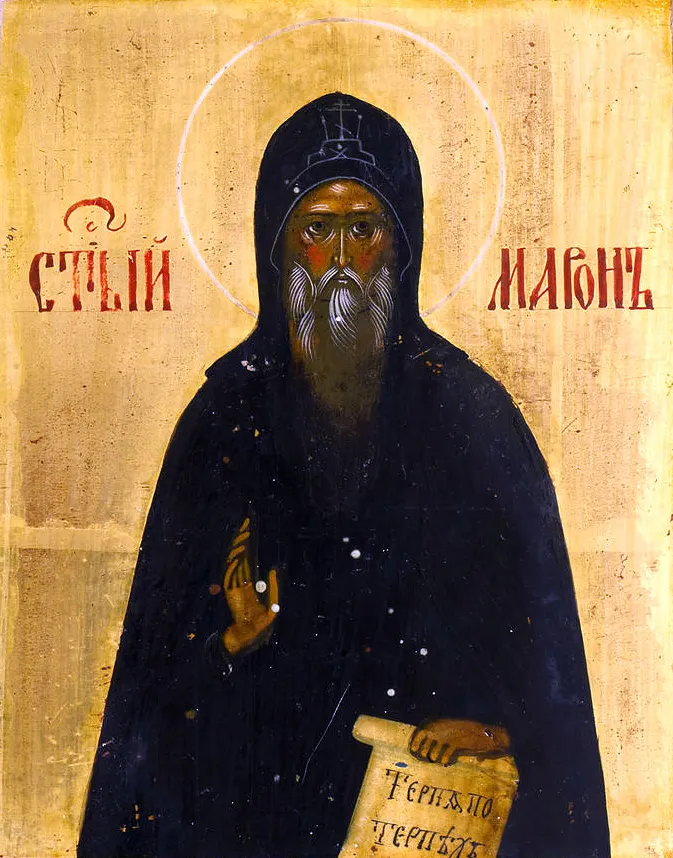
The hermit on the mountain whose disciples gave the Maronite Church its name - healer of body and soul, friend of John Chrysostom, root of the whole tradition Saint Charbel grew from.
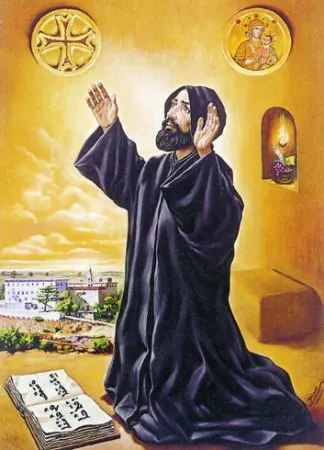
The monk who taught Saint Charbel - scholar, ascetic, and teacher at Kfifan, where his tomb and shrine still receive pilgrims.
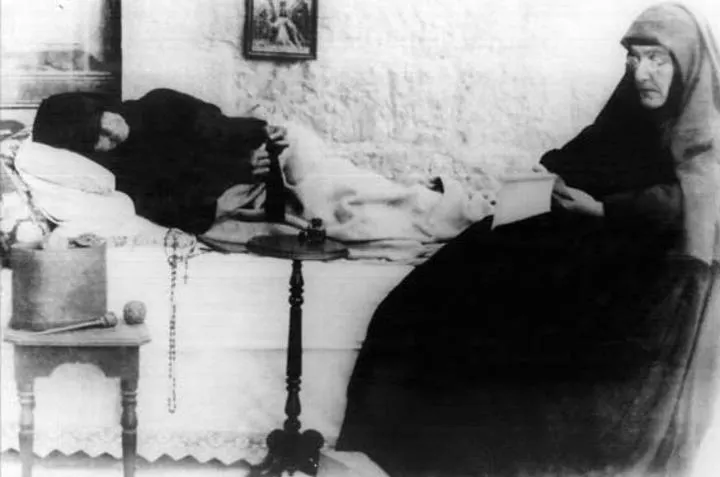
The blind saint of Lebanon, first woman of Lebanon to be canonized - a nun of Saint Charbel's own order who called a lifetime of suffering a gift. Her shrine is at Jrabta.
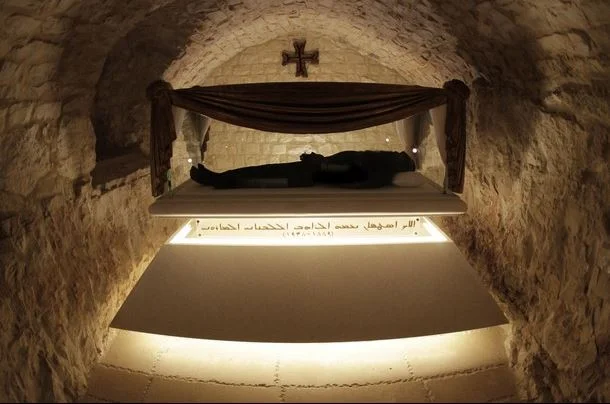
The silent monk of Kfifan - a lay brother of Saint Charbel's own order who lived by three words, "God sees me," and whose intact body still rests at Kfifan beside St Nimatullah's tomb.
Francis, Abdel Moati and Raphael - three Maronite laymen of Damascus, martyred in 1860 for refusing to renounce their faith, and canonized by Pope Francis on October 20, 2024 as the first Maronite lay saints.
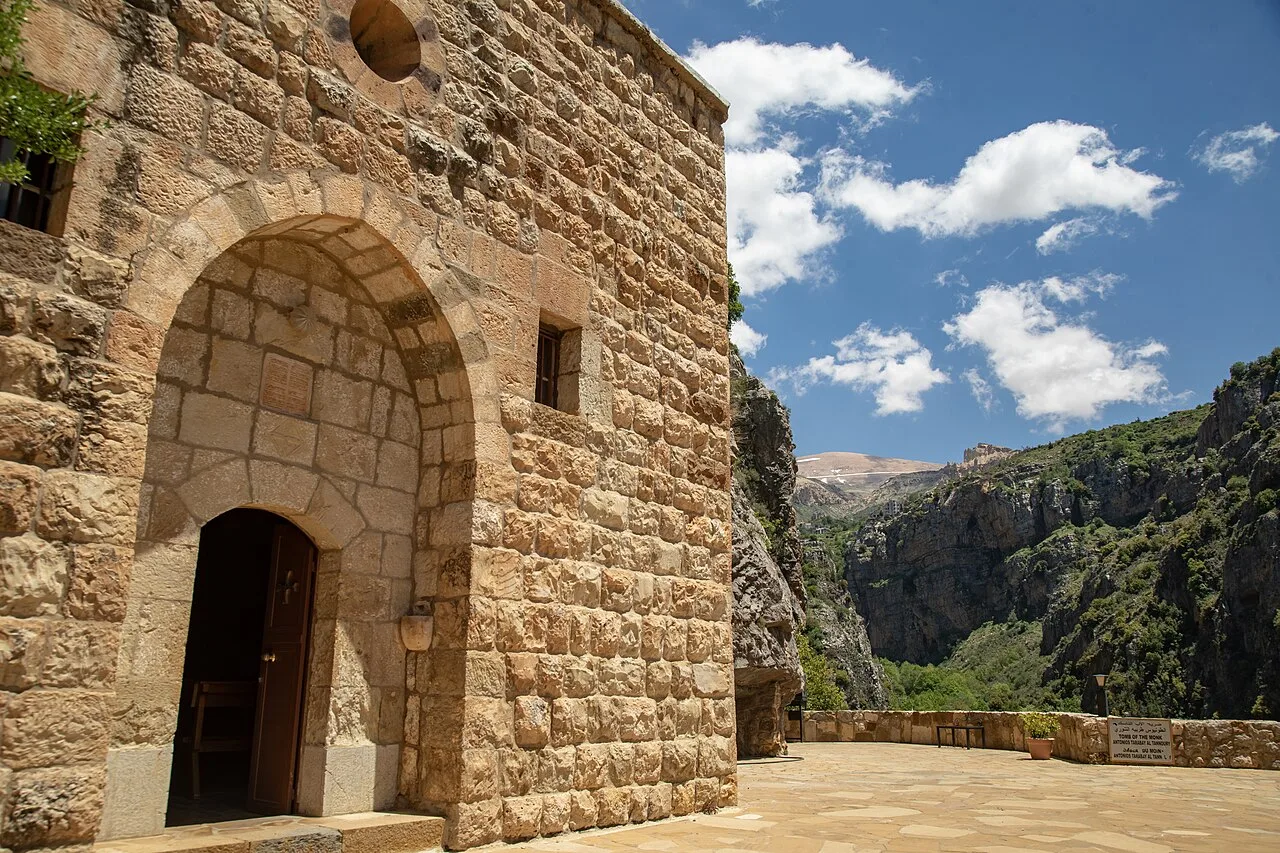
The monk who was a woman - she entered Qannoubine in men's clothing, bore a false accusation in silence, and was known only after her death. Her relics came home on pilgrimage in 2018.
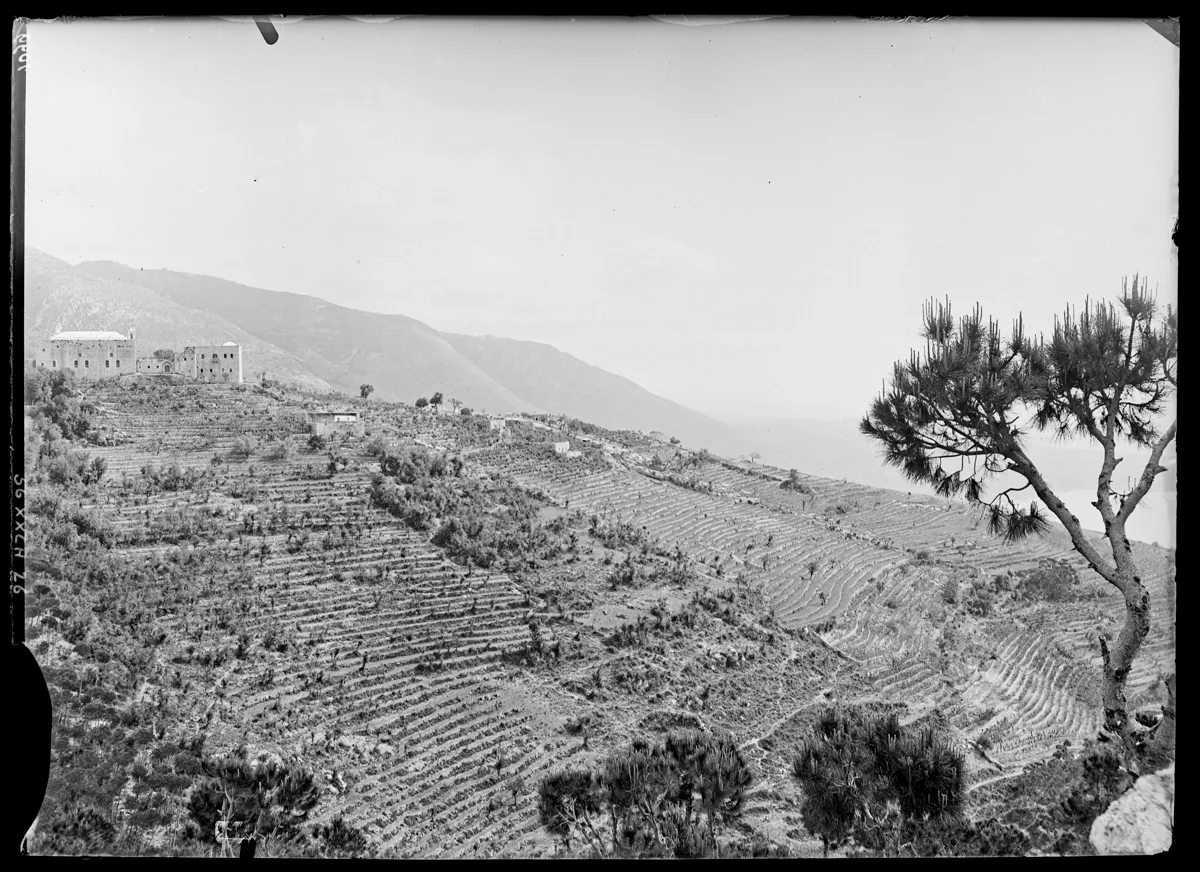
The Apostle of Lebanon - a Capuchin friar who walked the whole country preaching, founded the Franciscan Sisters of the Holy Cross, and built hospitals, schools and orphanages for the poor. Beatified in Beirut in 2008.
Each of these has a children's book on this site, and a short account of their life on the book page.
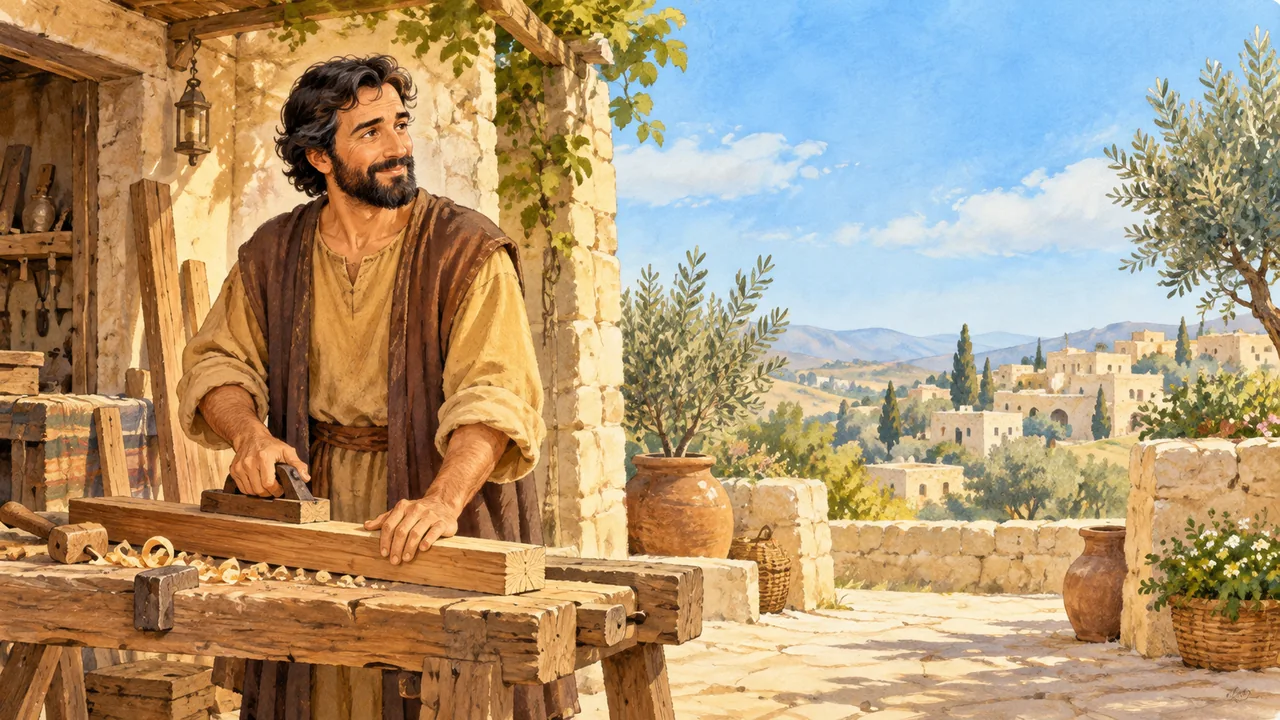
The carpenter of Nazareth who took Mary into his home, led the family to Bethlehem and then to Egypt, and raised Jesus. The Gospels record no words from him, only what he did.
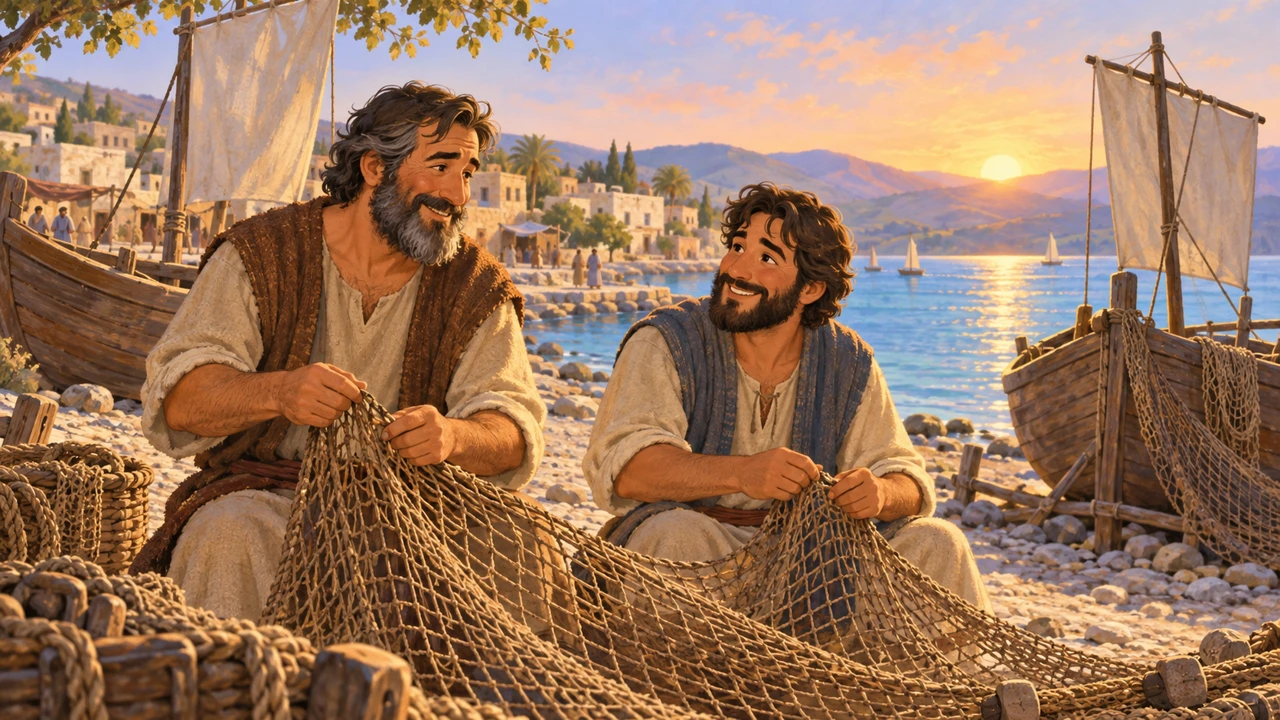
The fisherman from Galilee called Cephas, "the rock." He denied Jesus, was forgiven beside the lake, and led the first Christians after Pentecost.
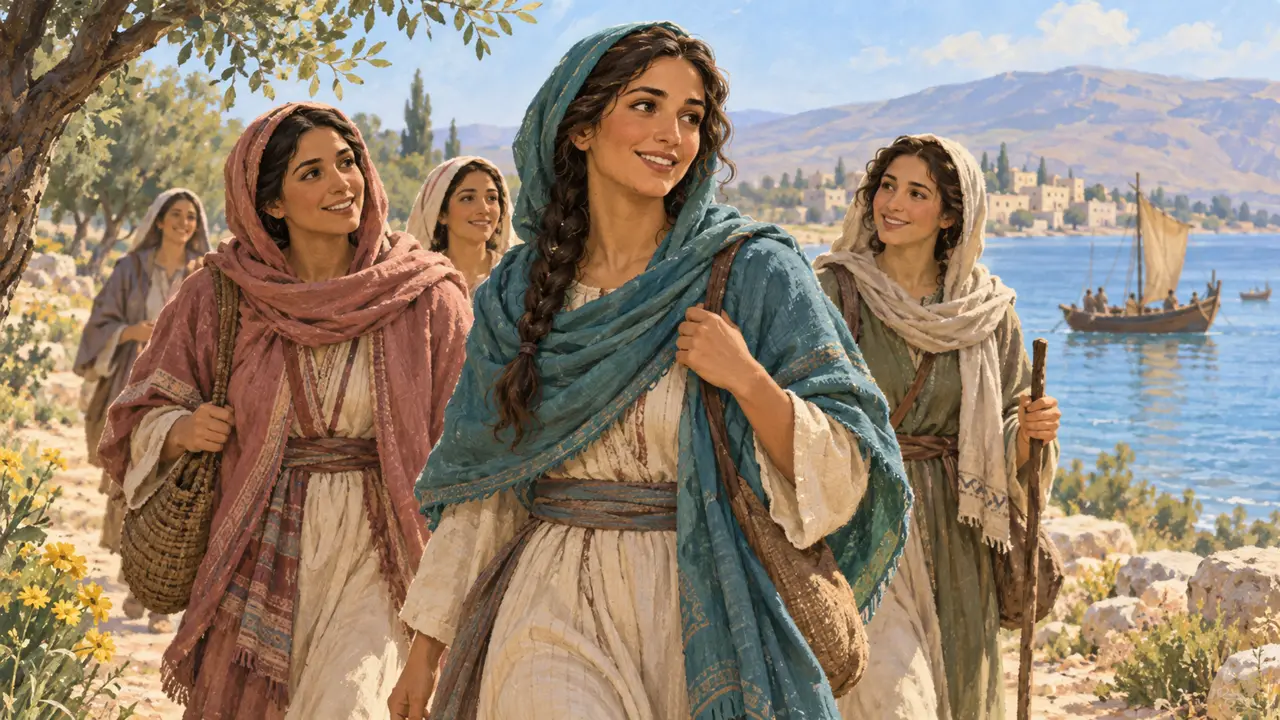
A disciple from Magdala who stayed near Jesus at the cross and was the first to hear him speak after the resurrection. The Church calls her the apostle of the apostles.
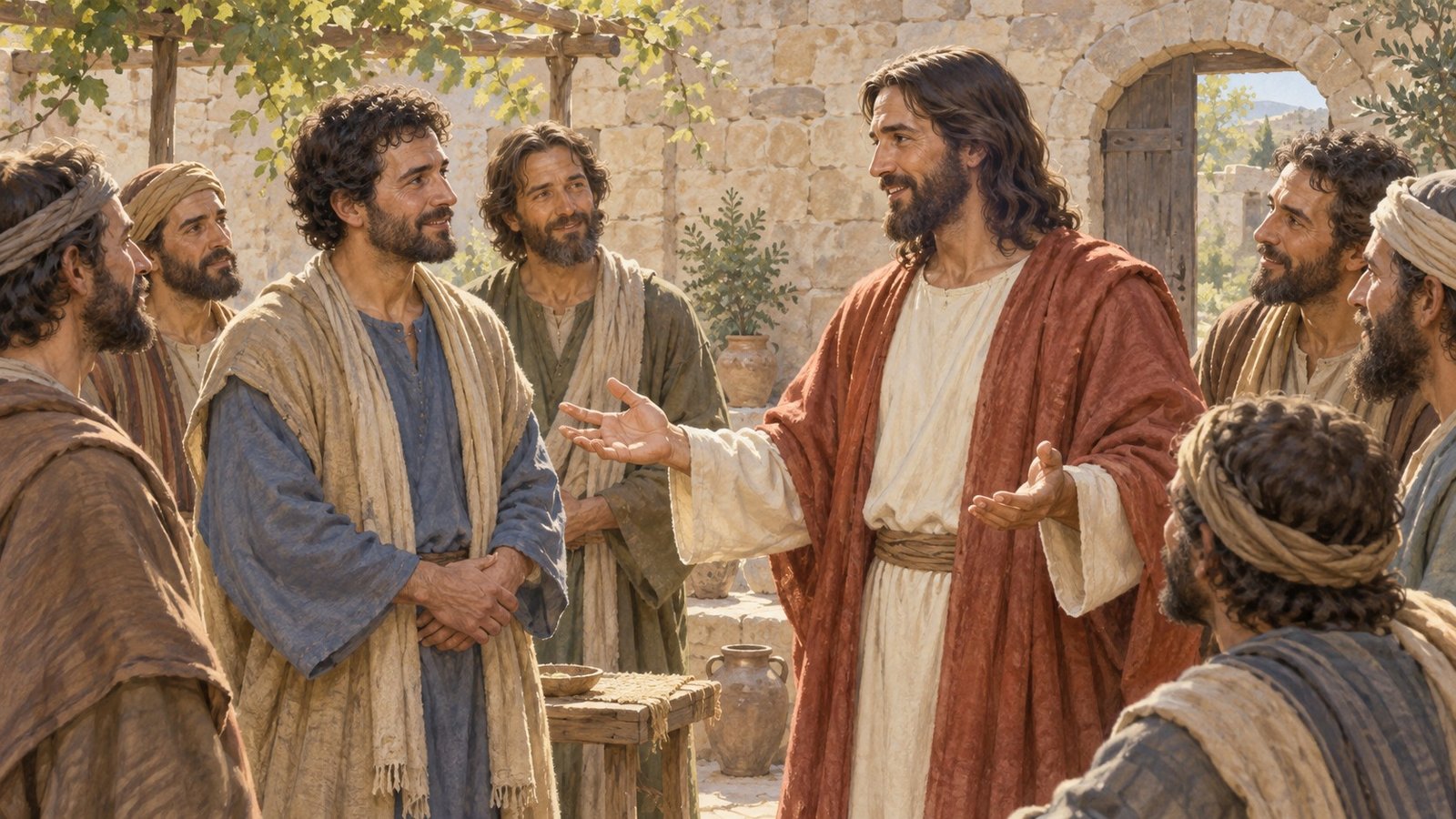
One of the Twelve, not Judas Iscariot. The Gospels keep one thing he said, his question at the Last Supper, and the answer Jesus gave about love.
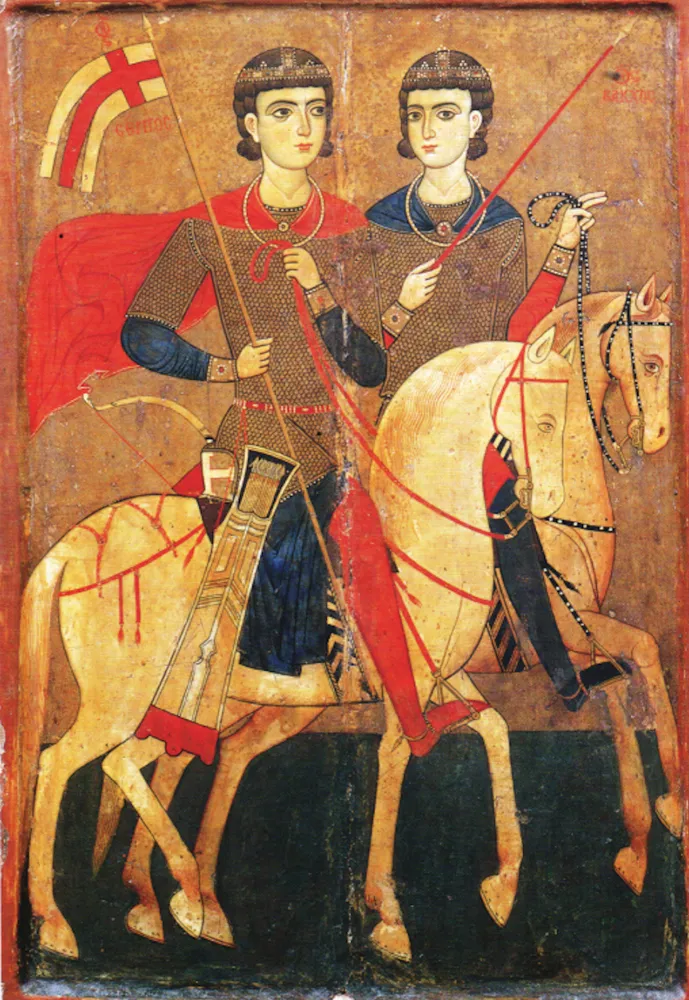
Two Roman officers and friends, martyred in Syria about 303. Not Lebanese, but honored by the Maronite Church, with a monastery named for them at Ehden. In Arabic, Mar Sarkis and Bakhos.
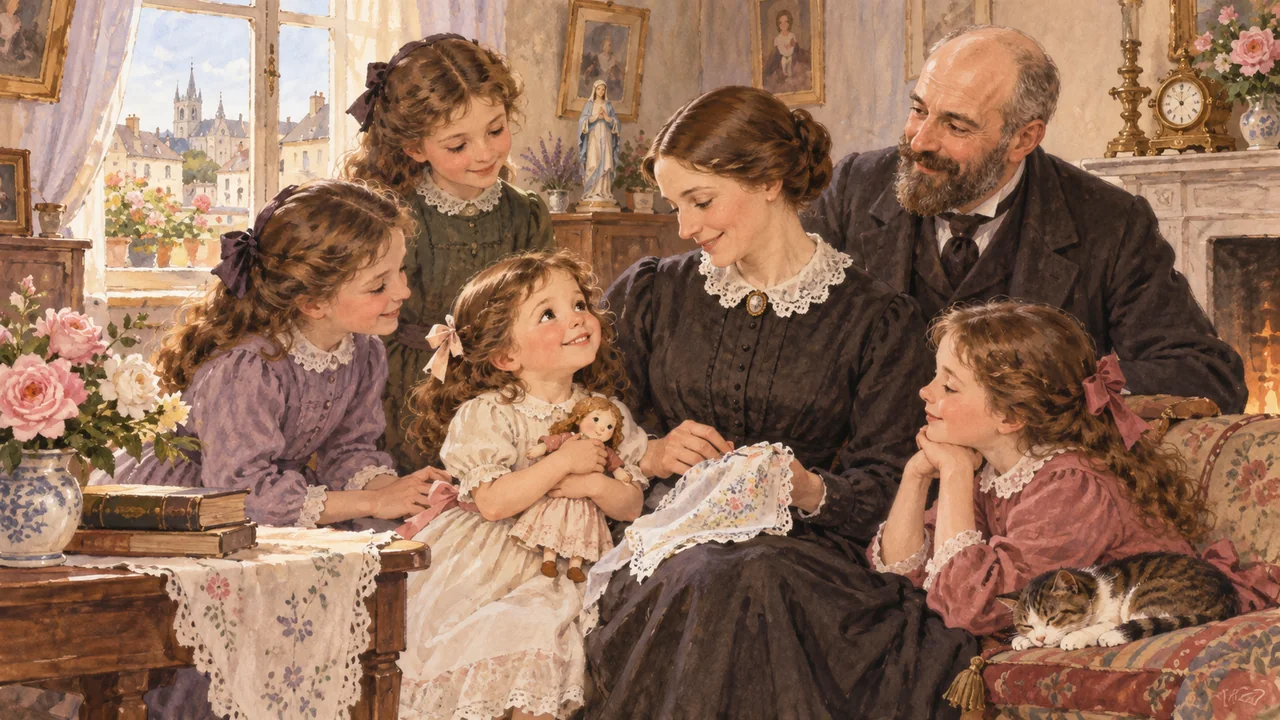
A Carmelite nun who died at 24 and taught a "little way" of trust and everyday love. Pope John Paul II named her a Doctor of the Church in 1997.
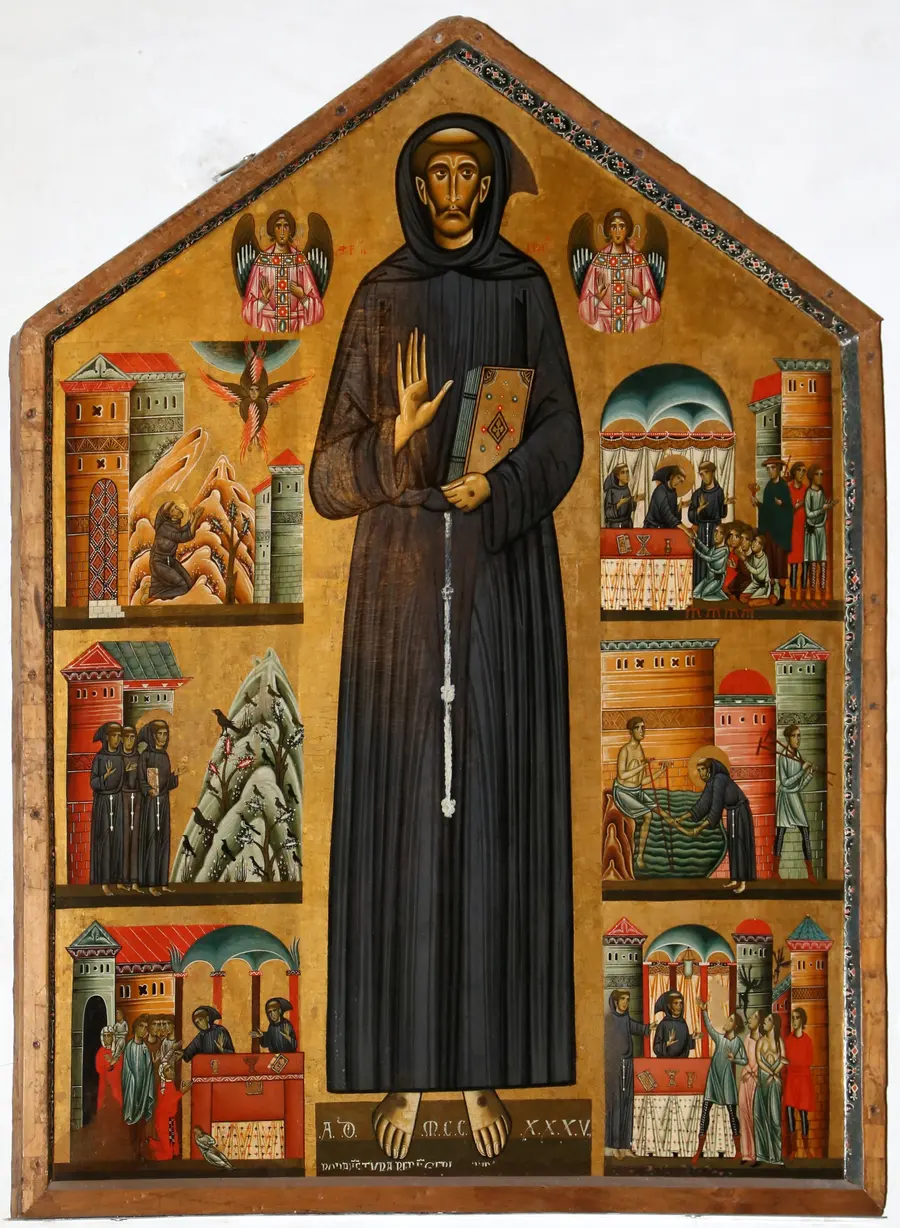
The poor man of Assisi: a merchant's son who heard Christ from the San Damiano cross, rebuilt the Church in poverty, met the Sultan, received the stigmata, and sang the Canticle of the Creatures - the most imitated saint in Christian history.
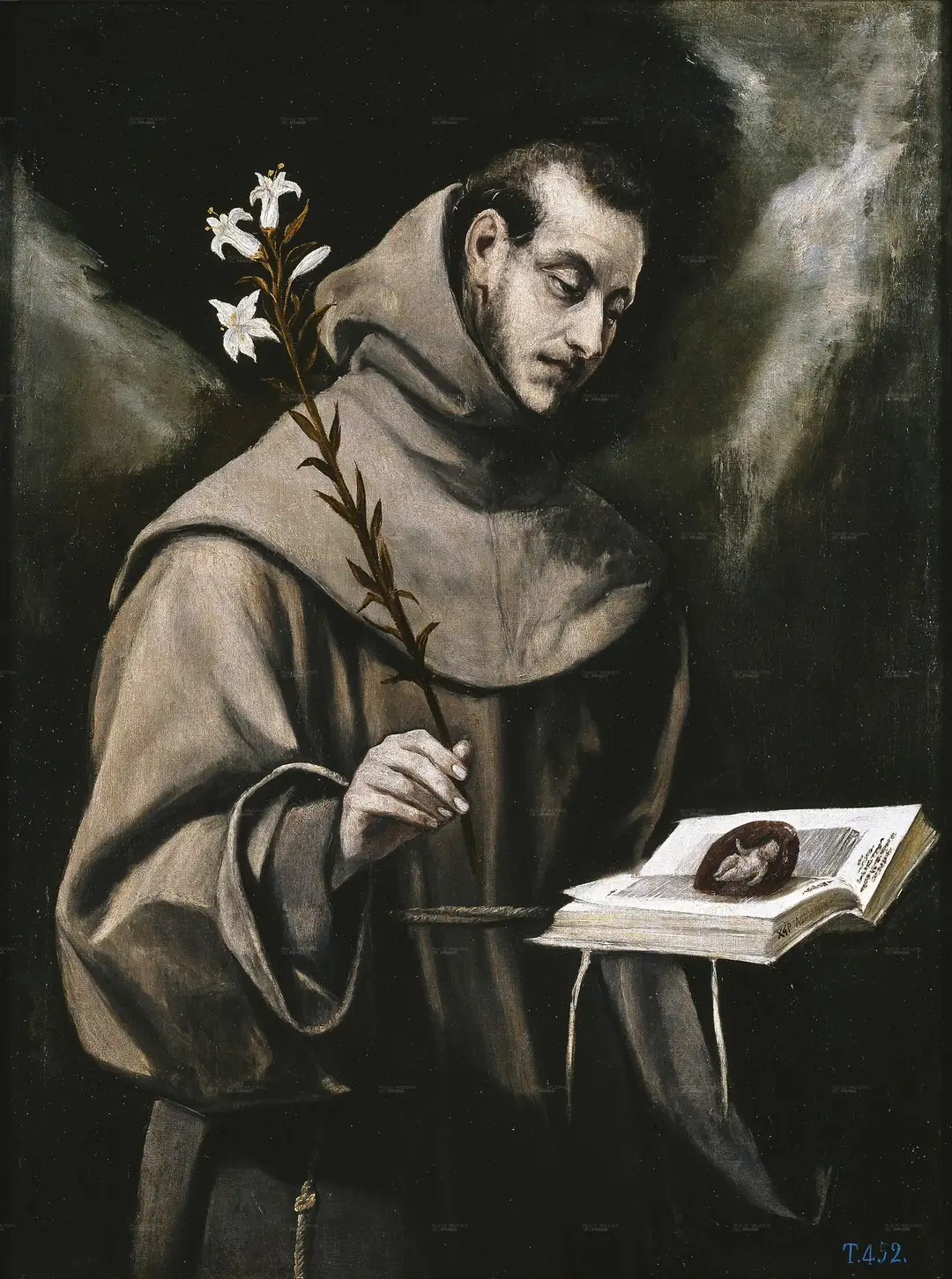
Lisbon's Fernando became a Franciscan, astonished Europe with his preaching, taught theology with Saint Francis's own blessing, and was canonized less than a year after his death - the saint the world asks for lost things.
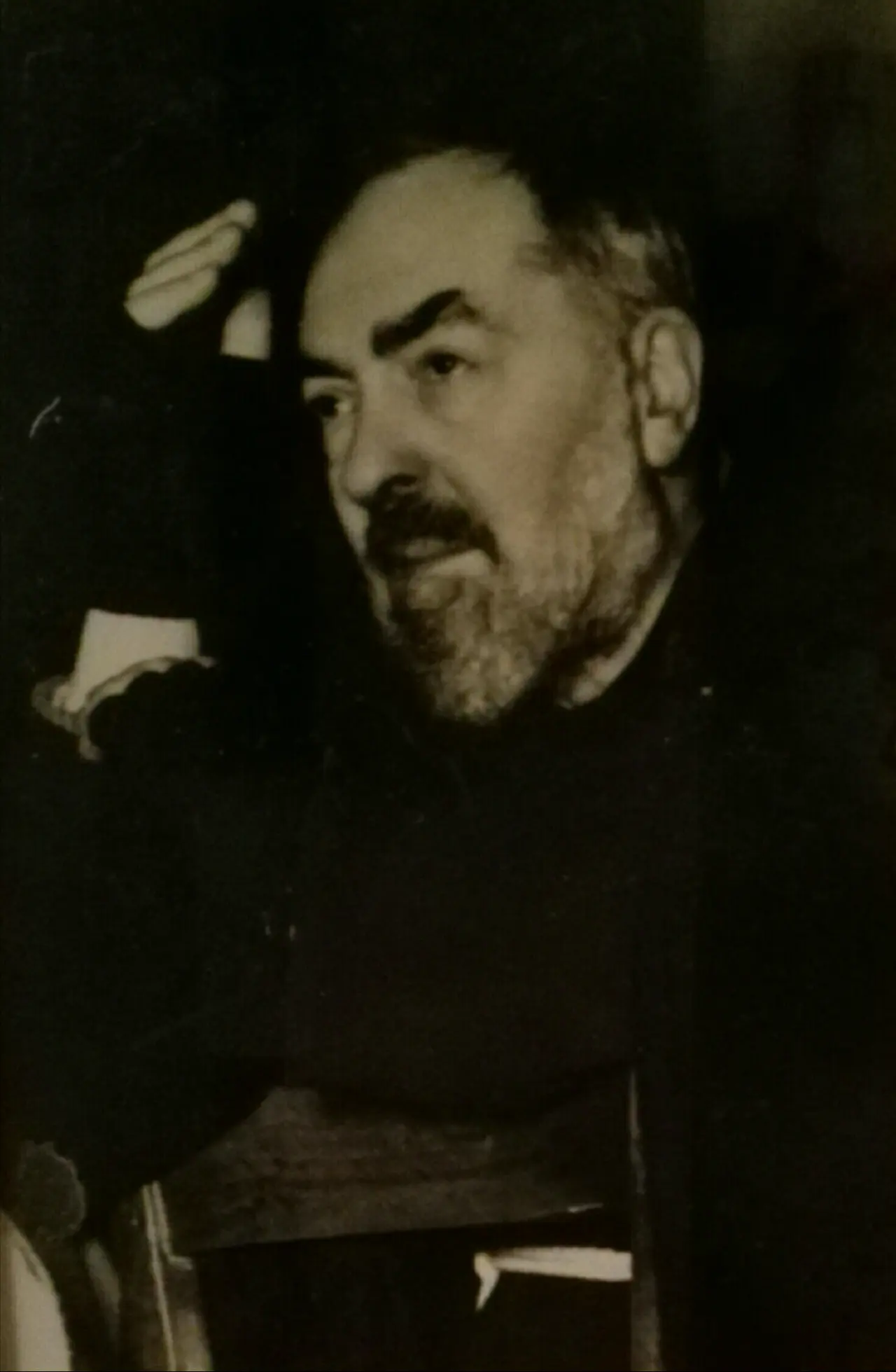
The Capuchin who bore the stigmata for fifty years, heard confessions for up to sixteen hours a day, built a hospital, and left the world one counsel: "Pray, hope, and don't worry." His story, his prayers, his way, and the pilgrimage.

The pilgrim pope: a quarry worker who became the first Polish pope, survived an assassin's bullet and forgave him, carried the Gospel to 129 countries, and told the world not to be afraid. Canonized the two Maronite saints closest to Saint Charbel.
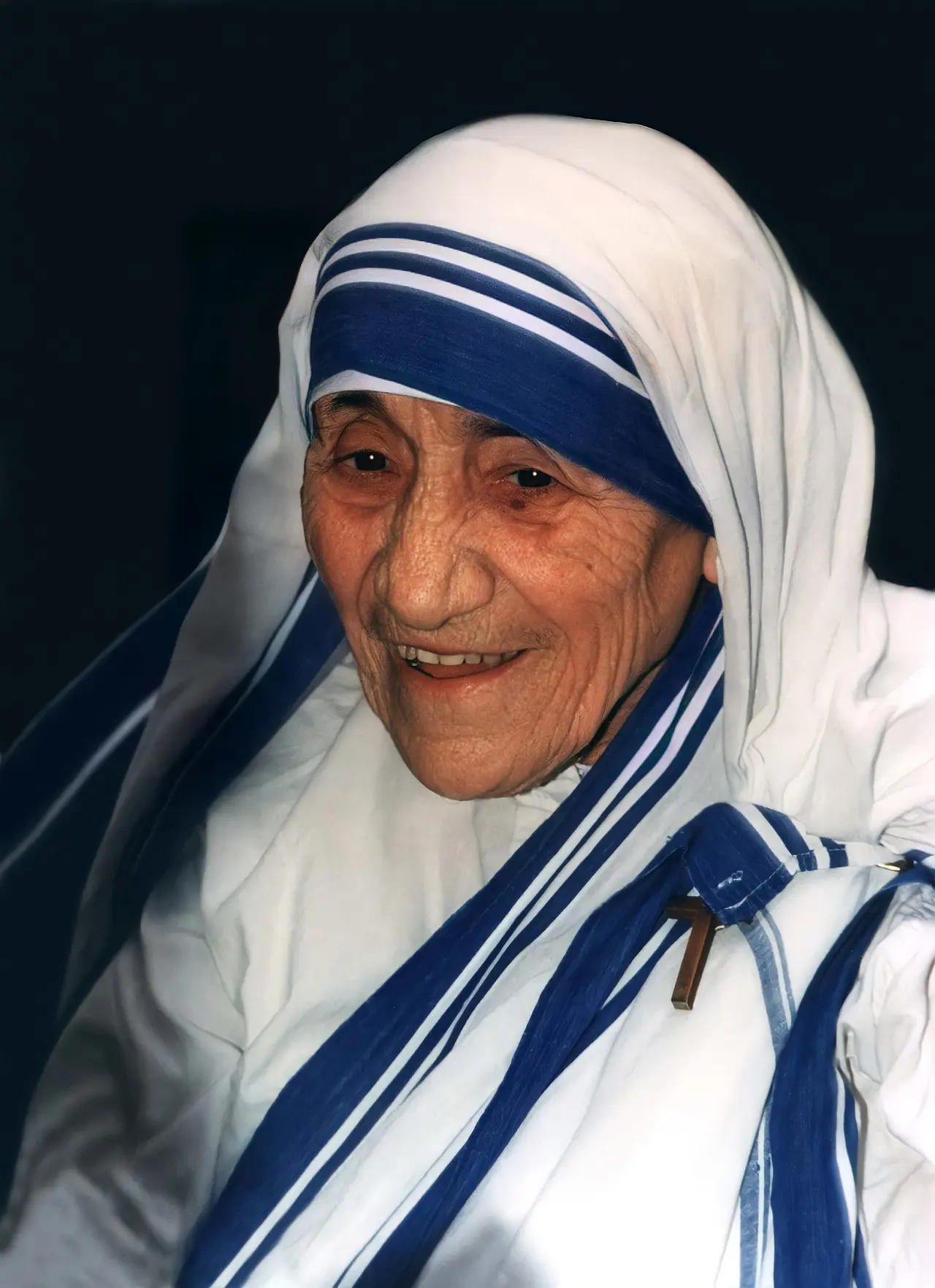
The Albanian schoolteacher who heard a call within a call and spent fifty years with the poorest of the poor - the home for the dying, the Nobel Peace Prize, and a hidden darkness she turned into fidelity.
Beloved saints and blesseds from every century and country.
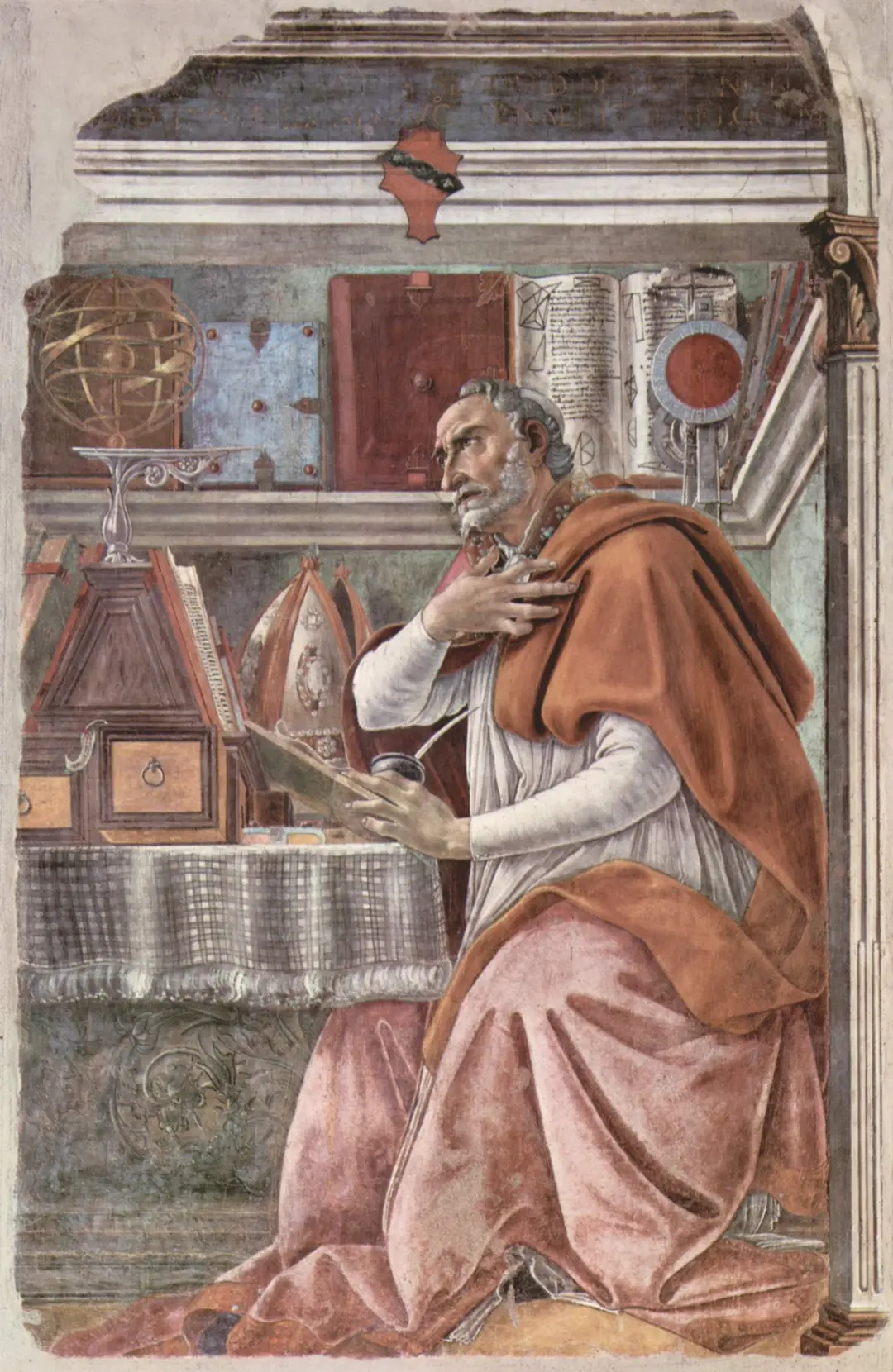
The restless heart: a brilliant young professor who ran from God across the Mediterranean, heard a child's "take and read" in a Milan garden, and became the bishop of Hippo whose Confessions and City of God shaped the Western mind. His mother Monica's feast is kept the day before his.
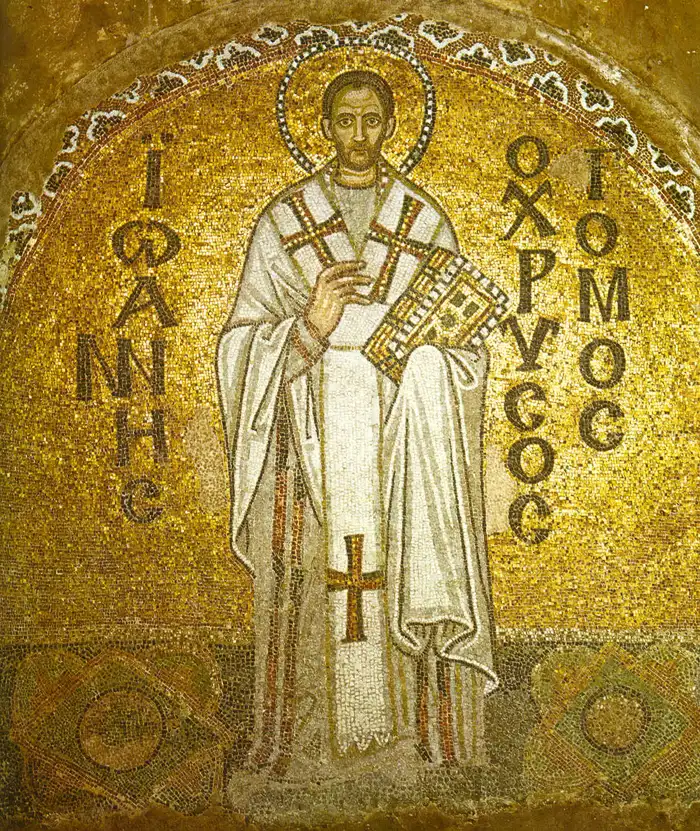
The Golden Mouth: Antioch's greatest preacher, made archbishop of Constantinople, twice exiled for preaching Christ in the poor to an imperial court. He died on the road to exile with "Glory to God for all things" on his lips - a Father of the Antiochian tradition the Maronite Church grew from.
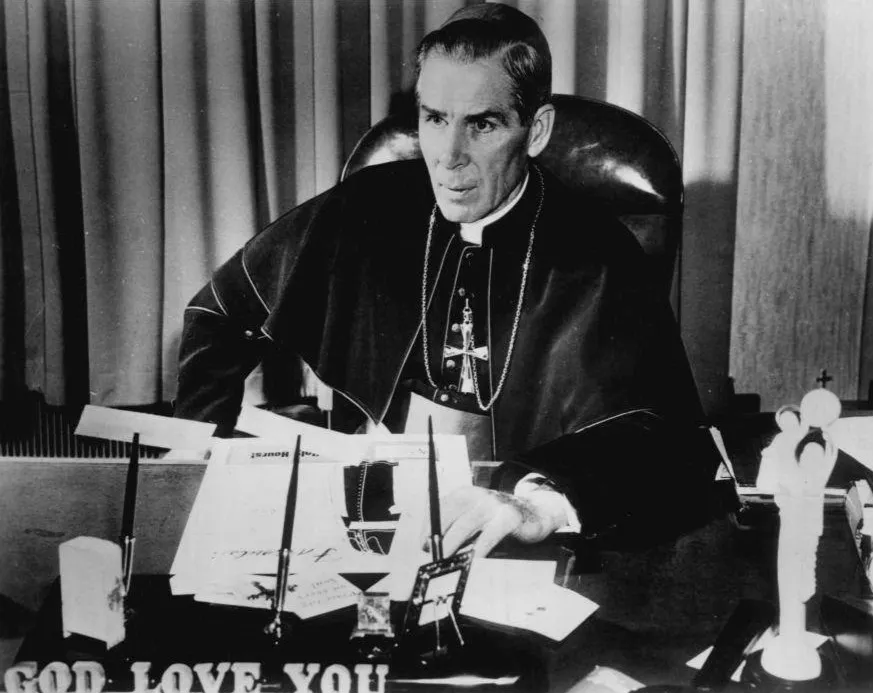
The media bishop: Emmy-winning host of Life Is Worth Living, beatified in Saint Louis, Missouri before some 50,000 pilgrims. His life, what beatification means, and where to watch his talks.
One page per holy person, built to the same standard: a plain statement of their status (saint or blessed), a sourced life, honest distinctions between what the Church has formally recognized and what devotion reports, and links to pray, visit, and learn more. New saints and blesseds join this page as their pages are written - one card each.
New here? Start with Saint Charbel: the key dates of his life and a map of every guide on this site.
More lives around this tradition: Maronite history, the feast day, and becoming like Charbel in daily practice.